Plenary Speakers
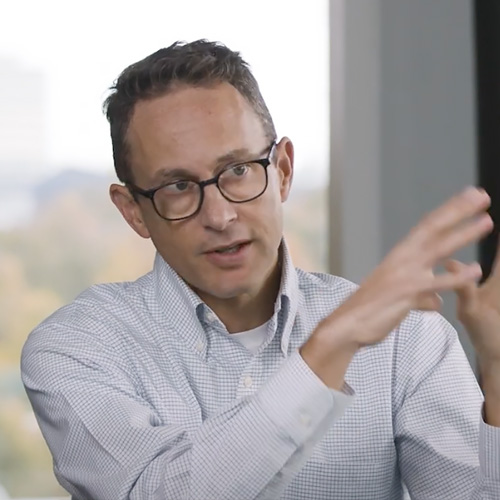
John Archibald
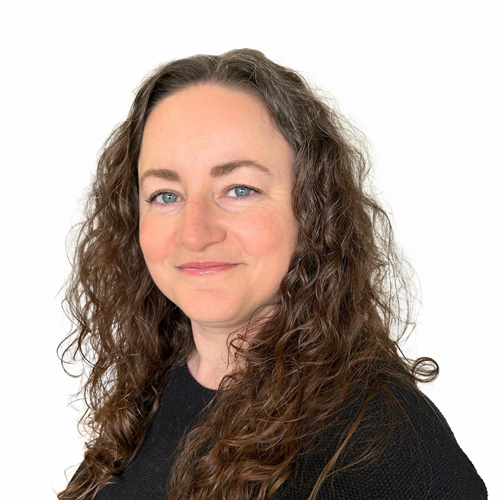
Iliana Bista
Dr. Iliana Bista is Group Leader at the Senckenberg Research Institute and Natural History Museum in Frankfurt, Germany. Her research integrates environmental and genomic approaches to characterize biodiversity and investigate how environmental change shapes ecosystems and genomes across multiple biological scales. For her PhD she worked on developing novel DNA based methods for biomonitoring, and subsequently worked on large scale genomics projects such as the Vertebrate Genomes Project at Sanger Institute and University of Cambridge, and Naturalis Biodiversity Centre. Her group develops and applies cutting-edge DNA-based approaches for biodiversity monitoring, with environmental DNA (eDNA), metabarcoding, and metagenomics with a particular interest on fish and arthropod species diversity. In parallel, the team leverages comparative genomics and large-scale biodiversity genomic datasets to investigate eco-evolutionary processes, species interactions, and the genomic mechanisms underlying adaptation to environmental change. With this integrative research, Dr. Bista aims to advance our understanding of biodiversity dynamics and support the development of innovative tools for ecosystem monitoring and better characterisation of the impact of environmental change on biodiversity.
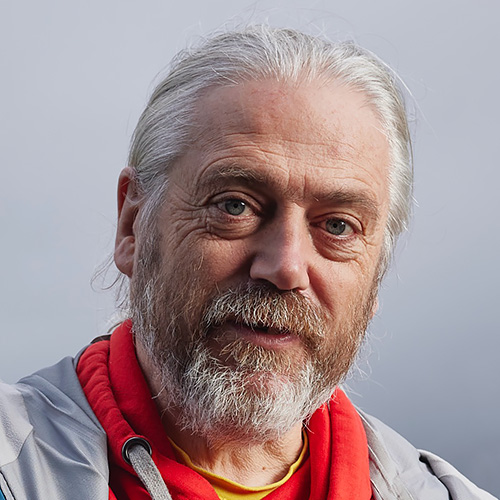
Mark Blaxter
Mark Blaxter leads the Sanger Institute’s Tree of Life programme, generating and analysing genome sequences from thousands of species across the tree of life, especially Britain and Ireland (the Darwin Tree of Life project). His own research portfolio focuses on the genomics of neglected, non-model organisms – especially using the chromosomally-complete genome sequences generated by Tree of Life work – and the interpretation of those genomes in ecological and evolutionary contexts (including, inter alia, parasitic and free living nematodes, tardigrades, gastropod and bivalve molluscs, butterflies, bees, flies, birds, algae, fungi and bacteria).
He has played a key role in defining pattern and process in chromosome evolution in lepidoptera (comprising 10% of all described species) and nematodes. Before joining Sanger, he was Professor of Evolutionary Genomics in the University of Edinburgh. He was elected a Fellow of the Royal Society of Edinburgh in 2014.
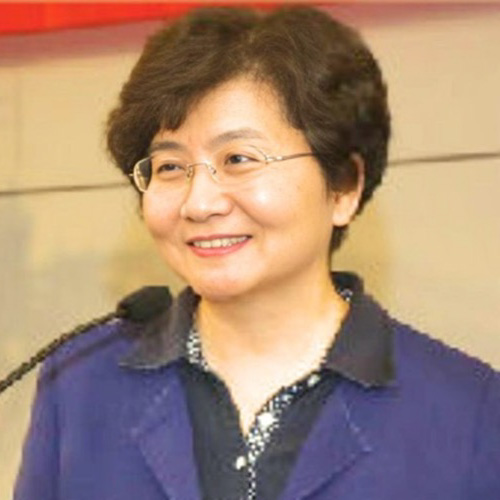
Anne Chao
Anne Chao is a Professor in the Institute of Statistics at National Tsing Hua University, Taiwan. She is currently 60% statistician, 30% mathematician, and 10% ecologist. For over 40 years, she has been fascinated by the mathematical and statistical challenges arising in ecology and environmental sciences. Her research focuses on statistical methodologies, ecological statistics, and the sampling and analysis of biodiversity data. Together with her collaborators and students, she has developed widely used biodiversity measures and estimators, including Chao1, Chao2, ACE, and ICE, for assessing species richness. She has also contributed novel standardization methods and software, such as iNEXT, iNEXT.3D and iNEXT.beta3D, for inferring and comparing biodiversity across spatial and sampling scales.
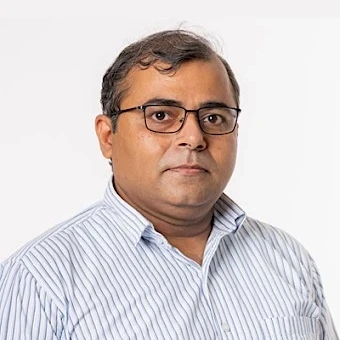
Neelesh Naresh Dahanukar
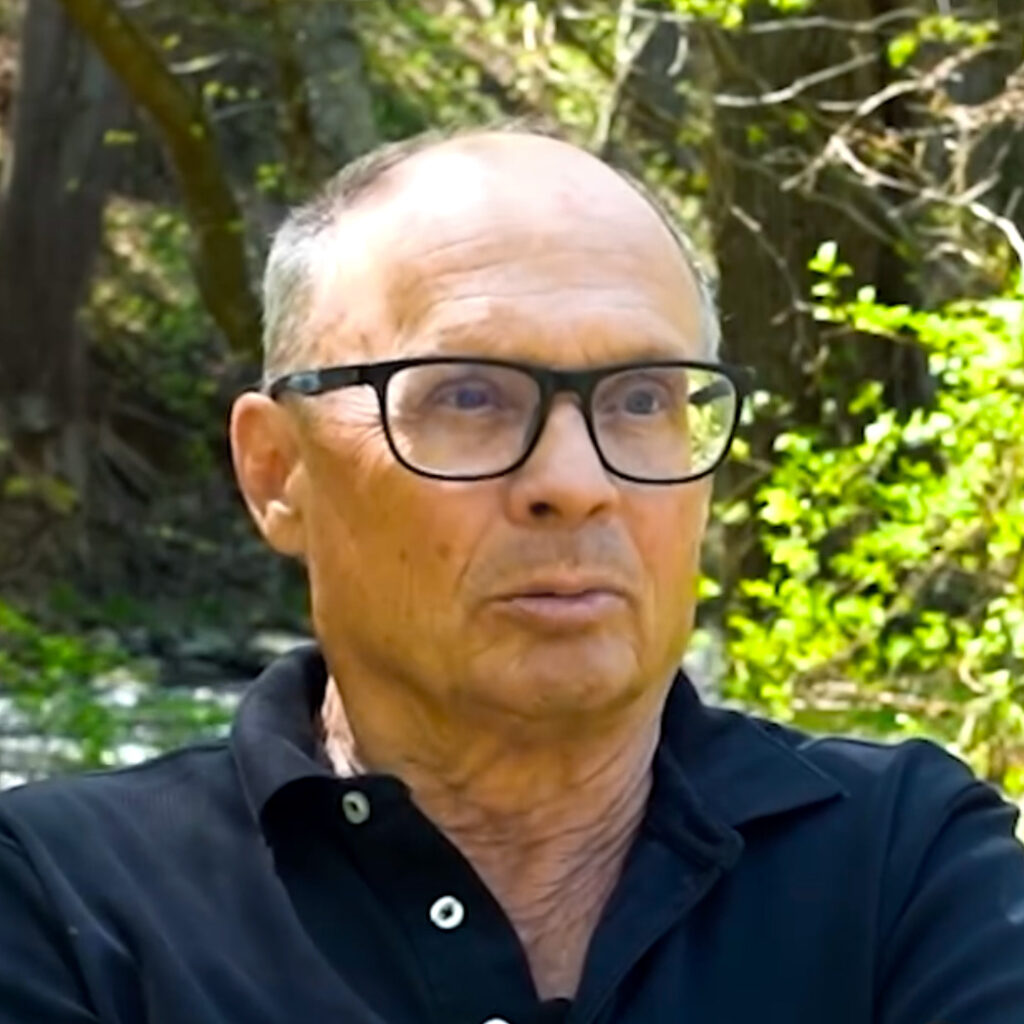
Adrian Forsyth
Adran is the founder and former Executive Director of Andes Amazon Fund, where he now serves as strategic advisor. His fieldwork and conservation efforts have taken place in the most remote regions of the New World and Old World tropics for the past 45 years. Adrian co-founded the Andes-Amazon Initiative at the Gordon and Betty Moore Foundation, the Amazon Conservation Association, and Osa Conservation. He has served as Vice President of blue moon fund, Director of Biodiversity at the Gordon and Betty Moore Foundation, and Vice President of Conservation International. He has also worked as a research associate at the Smithsonian Institution and the Royal Ontario Museum and was a faculty member of Arizona State University in the Department of Zoology. Adrian is the author of nine acclaimed natural history books and has developed five biological field stations in the Amazon and in Central America. He received his Ph.D. in tropical ecology from Harvard University under renowned biologist E.O. Wilson.
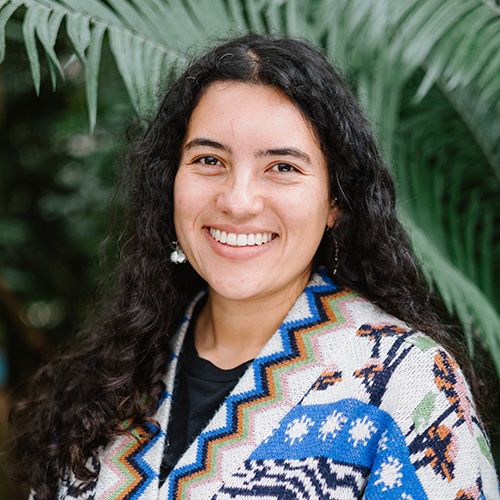
Laura Melissa Guzman Uribe
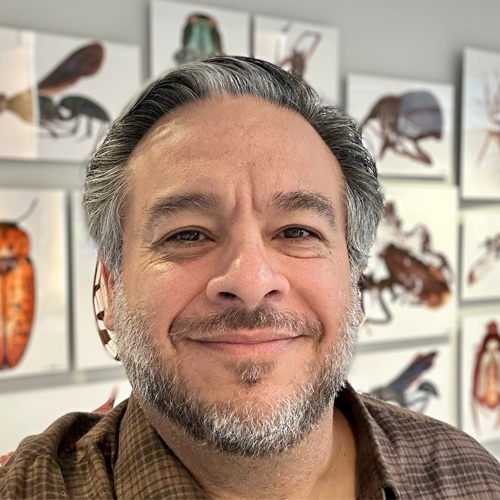
Mehrdad Hajibabaei (Closing Plenary)
Centre for Biodiversity Genomics, University of Guelph, Canada
Mehrdad Hajibabaei is Professor of Biodiversity Genomics and Chief Scientific Officer of the Centre for Biodiversity Genomics at the University of Guelph. His research advances environmental DNA (eDNA), metabarcoding, and large-scale biodiversity monitoring, integrating molecular ecology, bioinformatics, and evolutionary genomics. He has authored influential work on modernizing biomonitoring through genomics and leads international collaborations focused on standardization and scalable biodiversity assessment. As founder of eDNAtec Inc., he bridges academic innovation and applied implementation, promoting biodiversity genomics data for impact assessment, regulatory frameworks, and corporate sustainability. His work aims to transform how biodiversity is measured, managed, and protected globally.
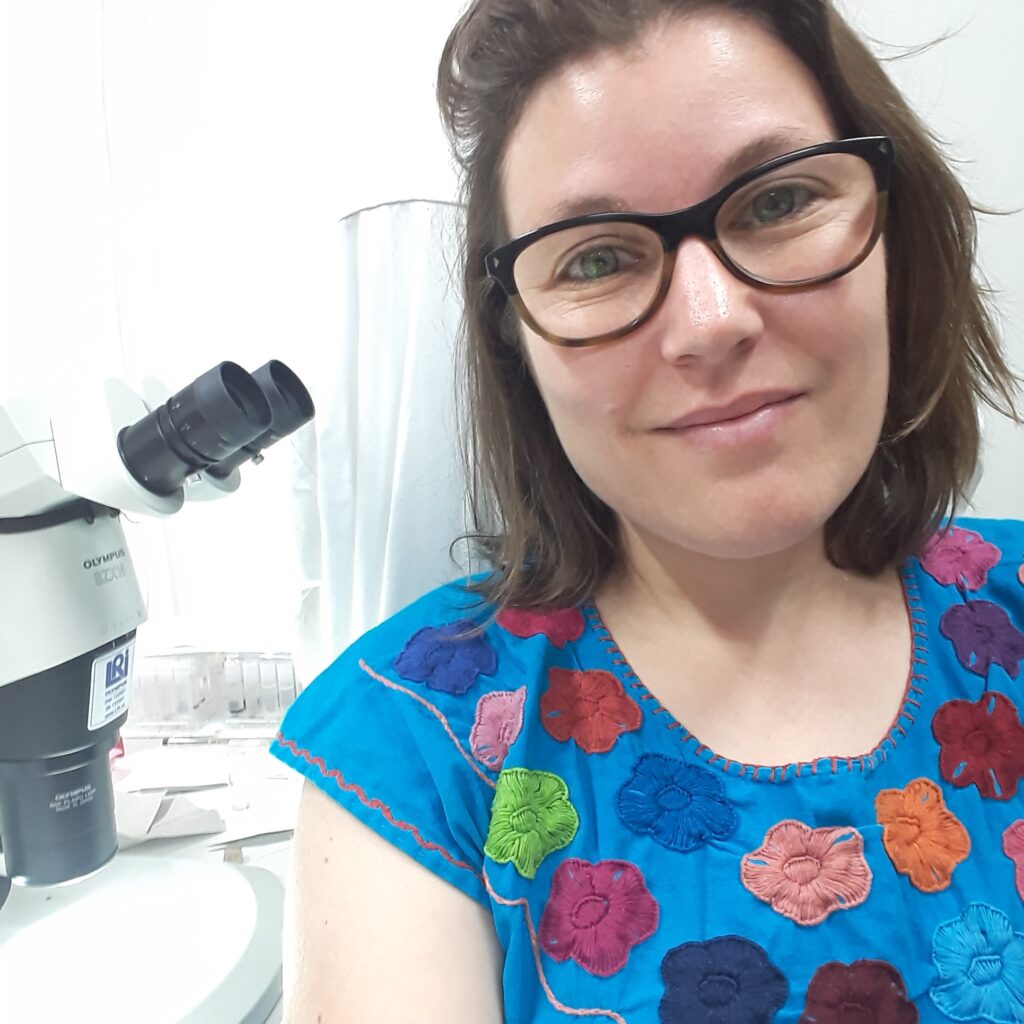
Emily Hartop
Norwegian University of Science and Technology (NTNU), Norway
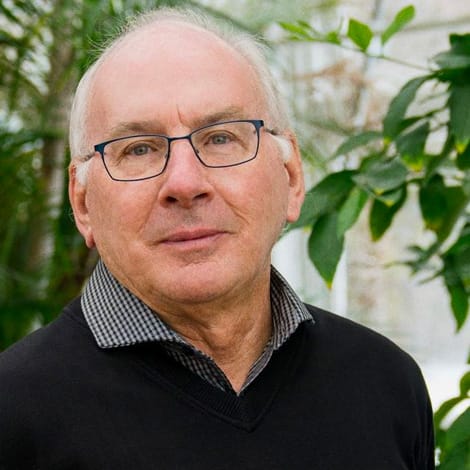
Paul Hebert (Opening Plenary)
Centre for Biodiversity Genomics, University of Guelph, Canada
Paul Hebert is Professor of Integrative Biology and CEO of the Centre for Biodiversity Genomics at Guelph. As one of Canada’s 19 Major Research Infrastructures, the CBG provides informatics, organizational, and sequencing support to the bioscience community. As Scientific Director of the International Barcode of Life, Hebert has coordinated its two major research programs (BARCODE 500K, BIOSCAN). His 600 publications have generated 120K citations while he has trained more than 100 graduate students and postdoctoral fellows. He is an Officer in the Order of Canada, a Fellow of the Royal Society of Canada, has four honorary degrees, and received the 2018 Heineken Prize for the Environment, the 2020 MIDORI Prize for Biodiversity, the 2024 Benjamin Franklin Medal for Earth & Environmental Science, and the 2025 Award for Outstanding Research & Development in Biodiversity from the Nobel Sustainability Trust.
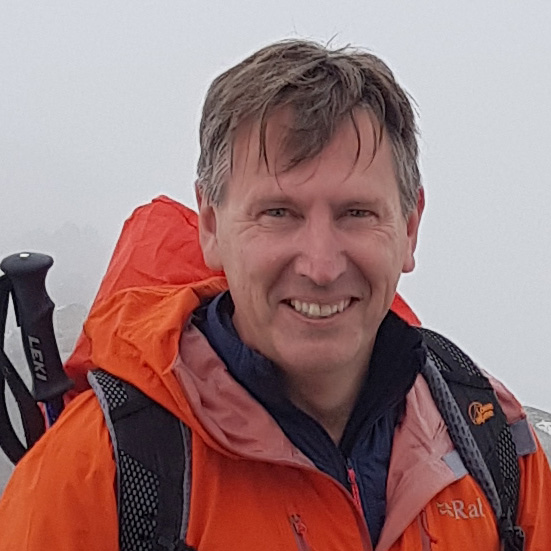
Pete Hollingsworth
Royal Botanic Garden Edinburgh, United Kingdom
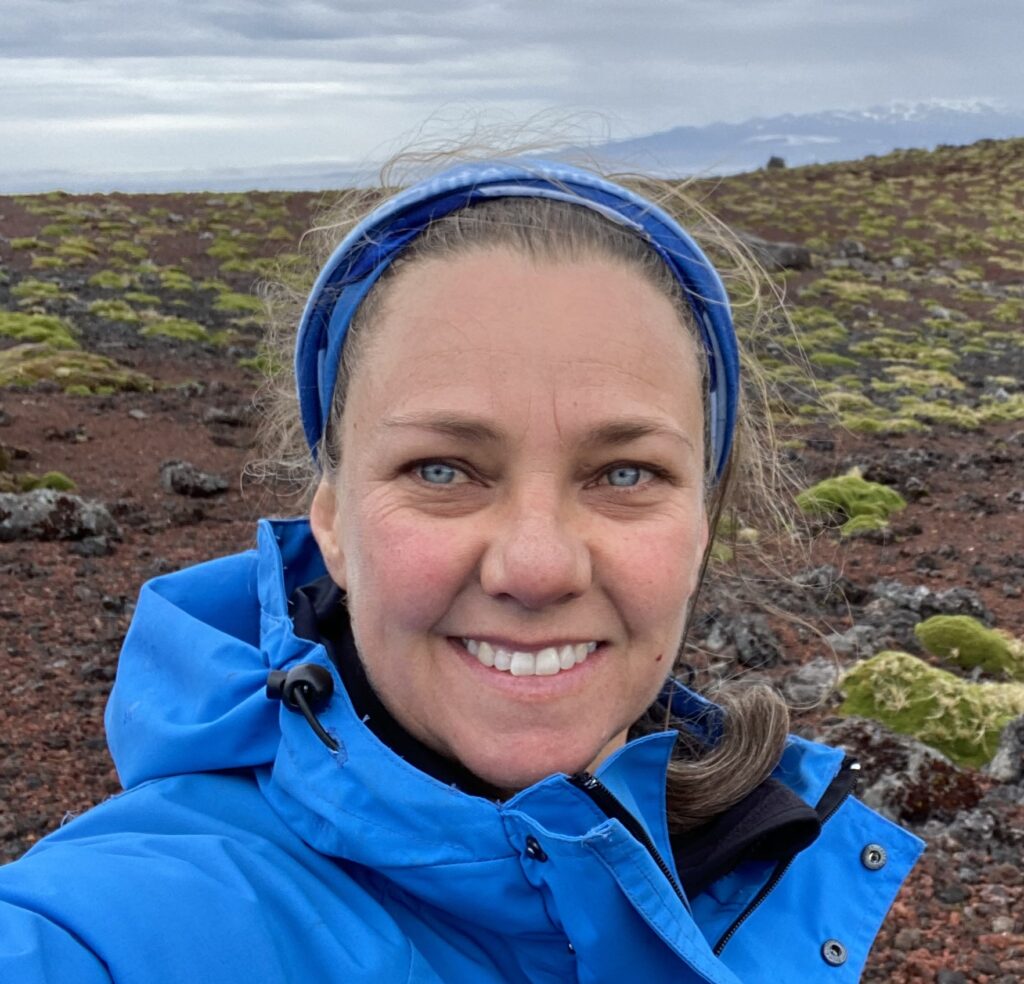
Charlene Janion-Scheepers
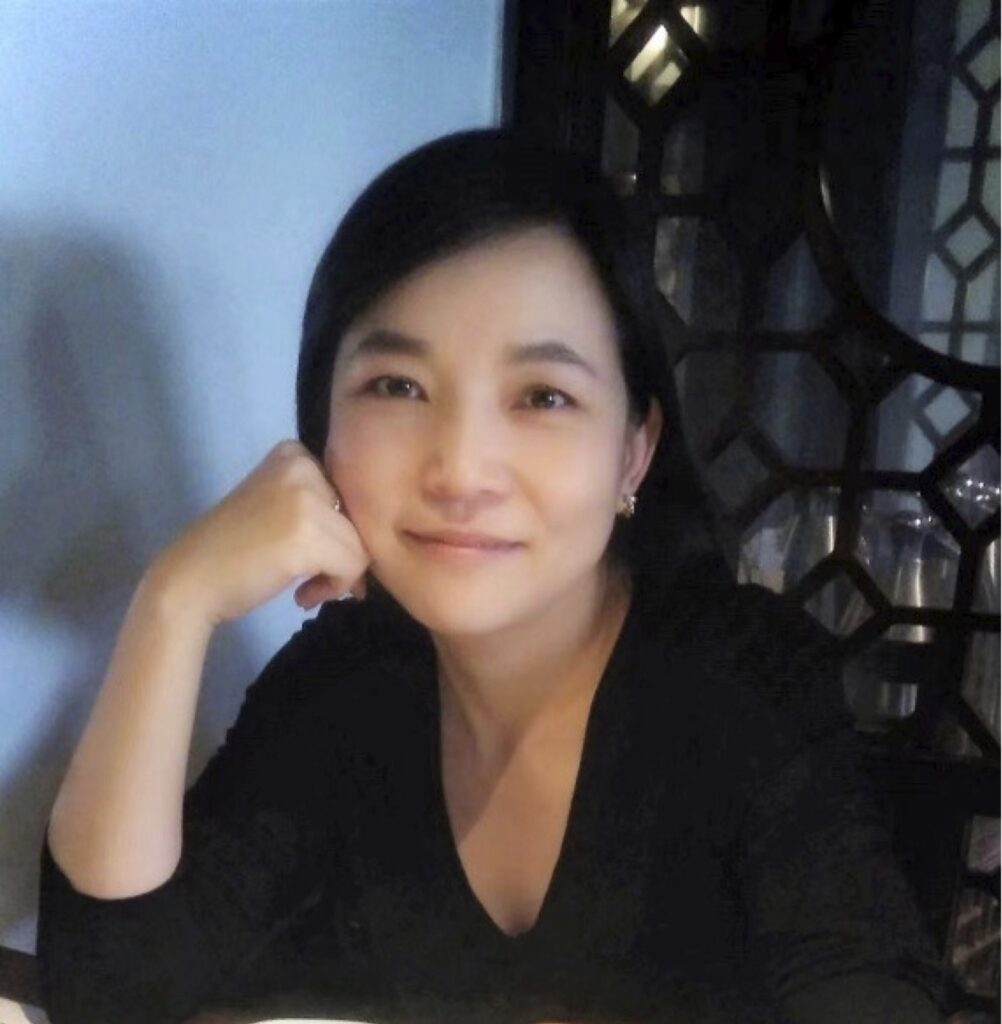
Meng Yao
School of Life Sciences & Institute of Ecology, China
Dr. Meng Yao is a Full Professor in Molecular Ecology at Peking University. Her research centers on environmental DNA (eDNA) technology, which she applies to address a broad range of ecological questions, including biodiversity distribution patterns, biotic community assembly, food-web organization, and paleoecosystem dynamics. She also devotes efforts to advancing methodological frameworks and developing innovative eDNA sampling tools.

Maslin Osathanunkul
Chiang Mai University, Thailand
Maslin Osathanunkul is a Professor in the Department of Biology at Chiang Mai University, Thailand. Her research explores how environmental DNA (eDNA) and biodiversity genomics can transform the way we monitor life in the environment, enabling scientists to detect species, assess ecosystem health, and address emerging environmental and public health challenges.
She develops and applies innovative molecular approaches that integrate environmental DNA, digital PCR, CRISPR-based detection, DNA metabarcoding, and ecological modelling to generate robust, evidence-based tools for biodiversity monitoring. Her research spans freshwater, marine, and terrestrial ecosystems, advancing DNA-based solutions for biodiversity conservation, environmental biosecurity, sustainable agriculture, invasive species management, and public health surveillance.
Through interdisciplinary and international collaborations, Dr. Osathanunkul bridges cutting-edge molecular technologies with real-world conservation and environmental management. Her vision is to harness molecular technologies to make biodiversity monitoring more accessible, scalable, and actionable, ultimately enabling better decisions for conservation, environmental management, sustainable agriculture, and public health.
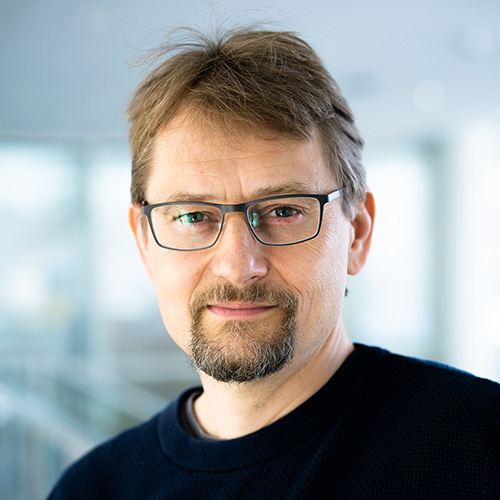
Otso Ovaskainen
University of Jyväskylä, Finland
Otso Ovaskainen is a Professor in mathematical and statistical ecology at the University of Jyväskylä, Finland. He currently focuses on research as an Academy Professor funded by the Research Council of Finland for periods 2021-2026 and 2026-2031. Ovaskainen obtained his PhD in mathematics in 1998 after which he moved to ecological applications, first using mathematical approaches, and later moving his focus on the development of statistical methods that enable ecologists and evolutionary biologists to make more out of their data. Ovaskainen has published ca. 300 peer-reviewed articles that develop and apply statistical, bioinformatical, machine learning, computational and theoretical methodology in biodiversity research. As the corresponding PI of the ERC-Synergy project LIFEPLAN, Ovaskainen has led the collection of one of the largest systematically collected (with audio, image and DNA) globally distributed biodiversity datasets. As the director of the Finnish Digital Citizen Science Center, Ovaskainen has combined smartphone -based biodiversity observations with real-time biodiversity monitoring.

Ben Price
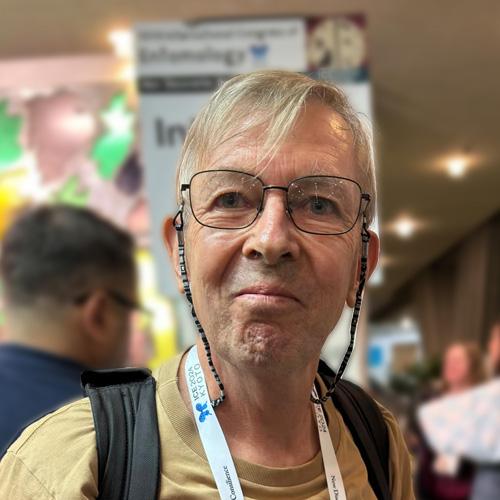
Donald Quicke
Chulalongkorn University, Thailand
I’ve always had a deep interest in all aspects of science and biology in particular, and along the way I have worked on snail neurophysiology (PhD), ecological genetics of sea anemones (postdoc #1), chemistry and neurophysiology of spider venoms (postdoc #2), amongst other things. But as a schoolboy I had started to become interested in ‘parasitic wasps’ as they were called then, and whilst books on them didn’t exist, I started collecting and struggling to identify them. In parallel, our black-and-white TV had excited me about the tropics with programmes by presenters such as Sir David Attenborough, and I determined to get to them as soon as I could. At Oxford University, had I met a wonderfully entertaining ecologist, Dr Malcolm Coe, who said that I could stay for free in his small house inside Tsavo National Park, Kenya, and that’s where I encountered large, bright-coloured, tropical parasitoid wasps. No permits needed, and living on aptly named Lion Hill with an outdoor toilet and a large pride!
Move on 50 years, and I am still working on them, now in my retirement. Along the way, DNA ‘was invented’ and I had started using sequences to help separate species and uncover relationships, but mostly things like ITS-2. Then, through the generosity of BOLD, I was able to start barcoding larger numbers of braconids, sometimes solving problems, other times creating headaches. In addition to wasp taxonomy and phylogenetics, I am interested in their functional anatomy, life histories, host-relationships, ecology, and biodiversity. Whilst it is not trendy in UK science to be organism rather than topic focused, it is (just) possible, and I was appointed Professor of Systematics at Imperial College London in 2007, retiring to live in Bangkok in 2013 where I am affiliated with Chulalongkorn University and still ‘working’ on wasps.
Sophie von der Heyden
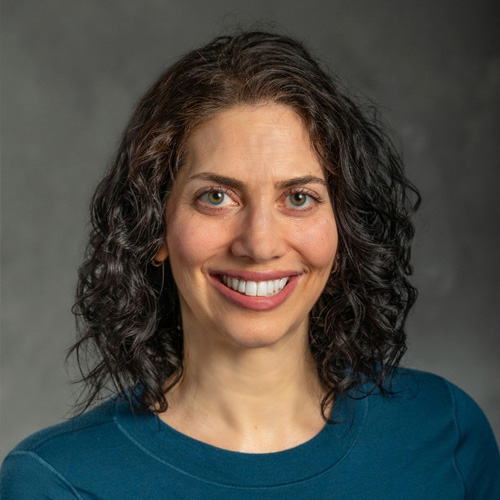
Elise Zipkin
As a quantitative ecologist, Dr. Elise Zipkin connects the complexities of natural communities with the precision of mathematics to shine light on mysteries in ecology and conservation. Elise and her team develop analytical frameworks to address grand challenges in the study of biodiversity loss and the effects of anthropogenic activities, such as climate change. She harnesses empirical data (big and small) to understand fine and subtle interactions in the natural world, revealing the causes and consequences of species’ declines and biodiversity loss while charting pathways to mitigate and reverse these alarming trends.
Elise has published over 100 peer-reviewed articles and delivered more than 50 invited talks nationally and internationally. Among her honors is being named a Fulbright U.S. Senior Scholar, an International Ecology Institute (ECI) IPRE Laureate, and an AAAS Fellow. Elise regularly works with management agencies to translate the results of her research for conservation. She is committed to open, accessible, and reproducible science and to supporting and mentoring the next generation of scientists, natural resource managers, policy makers, and scientific communicators.
Learn more about iBOL
The International Barcode of Life Consortium is a research alliance undertaking the largest global biodiversity science initiative: create a digital identification system for life that is accessible to everyone