Scientific Committee
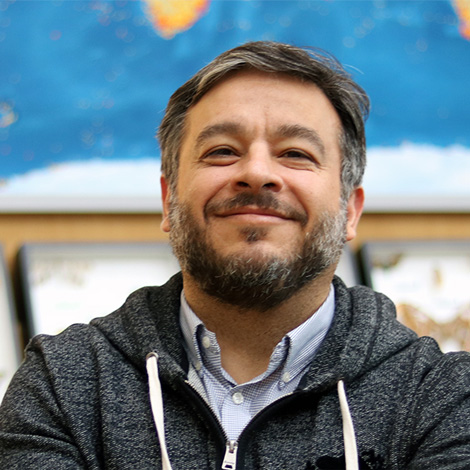
Mehrdad Hajibabaei (Chair)
Centre for Biodiversity Genomics, University of Guelph, Canada
Mehrdad Hajibabaei is Professor of Biodiversity Genomics and Chief Scientific Officer of the Centre for Biodiversity Genomics at the University of Guelph. His research advances environmental DNA (eDNA), metabarcoding, and large-scale biodiversity monitoring, integrating molecular ecology, bioinformatics, and evolutionary genomics. He has authored influential work on modernizing biomonitoring through genomics and leads international collaborations focused on standardization and scalable biodiversity assessment. As founder of eDNAtec Inc., he bridges academic innovation and applied implementation, promoting biodiversity genomics data for impact assessment, regulatory frameworks, and corporate sustainability. His work aims to transform how biodiversity is measured, managed, and protected globally.
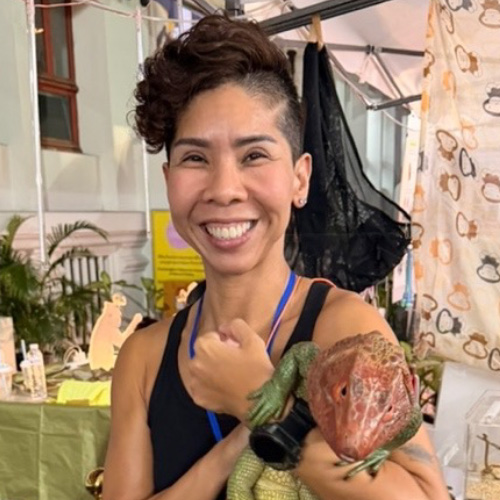
Buntika Butcher
Chulalongkorn University, Thailand
Buntika Butcher is an associate professor at Chulalongkorn University, Bangkok, Thailand. She started her job at Chulalongkorn University in 2005 and has worked actively on parasitoid wasps since then. Her main research interest is on morphological and molecular systematics, insect ecology, diversification and biogeography of the Ichneumonoidea. A lot of her work now involves DNA barcodes and their use in understanding diversity and the evolution of life history traits. She collaborates widely with other scientists in Thailand as well as internationally. In 2023, she published a book “Parasitoid Wasps of South East Asia” with Donald Quicke which she hopes will further promote research on parasitoid wasps in the region.
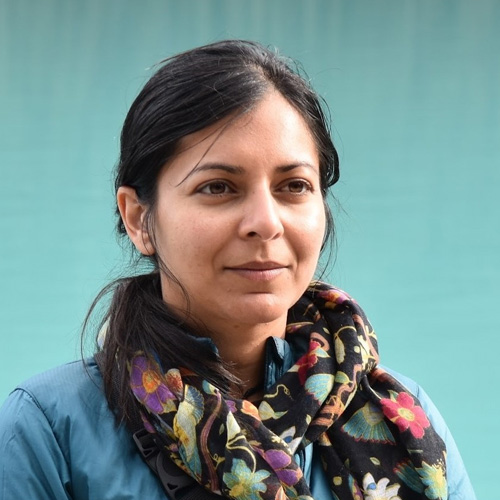
Manpreet Dhami
Bioeconomy Science Institute, New Zealand
Manpreet Dhami is a Senior Scientist & Research Priority Area Leader at the Bioeconomy Science Institute in New Zealand. She is also a Senior Lecturer at the University of Auckland. Her research focusses on species interactions in host-associated (insect, plant, birds) and free-living microbial communities. She also develops eDNA tools across a variety of environments for the characterization of biodiversity and detection of biosecurity relevant species. She is co-leading the development of the Treaty-guided National Barcode Reference Database for New Zealand. Her research supports various stakeholders including indigenous communities safeguarding their biological resources, regulatory agencies and conservation practitioners.

Hideyuki Doi
Kyoto University, Japan

Andrea Galimberti
University of Milano-Bicocca, Italy
Andrea Galimberti is Full Professor of Zoology at the University of Milano-Bicocca (Italy) and a member of the National Biodiversity Future Center (NBFC). His research focuses on animal identification through integrative taxonomy, combining morphological and ecological evidence with DNA barcoding and DNA/eDNA metabarcoding. He applies these approaches to characterize invertebrate and vertebrate communities and their ecological interactions, and to develop early-warning systems for detecting conservation-priority and alien species across natural-to-urban gradients.

Maggie Hunter
US Geological Survey, USA

De-Zhu Li
Shandong Agricultural University, China
De-Zhu Li is a Professor of Botany affiliated with the Center for Interdisciplinary Biodiversity Research (CIBR) and the College of Forestry at Shandong Agricultural University. He is a prominent researcher in plant systematics, molecular phylogeny, and biogeography, leading the Molecular Phylogeny and Biogeography Group (MPBG). His extensive research focuses on phylogenomics, utilizing techniques like deep genome skimming to understand the evolutionary history and genetic diversity of plant groups such as bamboos, legumes, and Rhododendron. In addition to his role at Shandong Agricultural University, he has held significant leadership positions at the Kunming Institute of Botany, Chinese Academy of Sciences, including serving as Director and Head of the Germplasm Bank of Wild Species.

Dirk Steinke
Centre for Biodiversity Genomics, University of Guelph, Canada
Learn more about iBOL
The International Barcode of Life Consortium is a research alliance undertaking the largest global biodiversity science initiative: create a digital identification system for life that is accessible to everyone